
JBL Tune 510BT vs. KVIDIO Headphones Comparison
What is the difference between JBL Tune 510BT and KVIDIO Headphones? Find out which headphone is better and their overall performance in the detailed comparison.
| Overview |
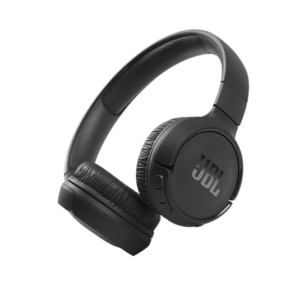 JBL Tune 510BT |  🏆 Winner
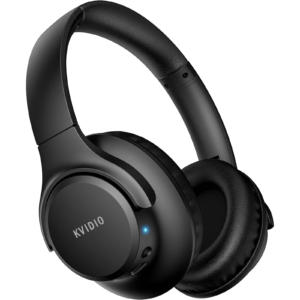 KVIDIO Headphones |
|---|---|---|
| Pricing | $49.95 | Original price was: $20.99.$18.89Current price is: $18.89. |
| Summary | JBL has built its name on affordable headphones that punch above their price, and the Tune 510BT sits right in that sweet spot. It's an on-ear, foldable Bluetooth headset aimed at commuters and casual listeners who want JBL's signature bass without spending big. | KVIDIO is a relatively new name in consumer electronics and a little-known brand based in China. However, they have quickly become one of the best-selling over-ear headphone brands on Amazon, offering reliable wireless Bluetooth headphones at an affordable price. They are now selling two different Bluetooth headphones in the market, which are WH201A and WH304A. |
| Review Box | ||
| Technical Specifications: | ||
| Acoustic Design | Closed-Back | — |
| Active Noise Cancellation | Yes | — |
| Adaptive ANC Support | Yes | — |
| Ambient Mode Supported | No | — |
| ANC Technology Type | No | — |
| Battery Capacity | 1200 mAh | — |
| Battery Type | Lithium | — |
| Bluetooth Version | 5.0 | 5.3 |
| Brand | JBL | — |
| Cable Length | 3 Meter | — |
| Color Variants | Black, White | — |
| Companion Mobile App | JBL APP | — |
| Connectivity | Wired, Wireless Bluetooth | — |
| Control Interface | Buttons | — |
| Country Of Origin | China | — |
| Headset Model | — | WH201A |
| Headphones Jack | — | 3.5 mm Jack |
| Connectivity Technology | — | Wireless & Wired |
| Bluetooth Version | — | 5.3 |
| Driver Size | — | 40 Millimeters |
| Headset Size | — | 5.91 x 3.15 x 5.12 inches |
| Impedance | — | 32 Ω |
| Sensitivity | — | 118±3dB |
| Weight | — | 200 grams |
| Bluetooth Range | — | 10 Meters |
| Charging Time | — | 2.5 Hours |
| Battery Life | — | 65 Hours |
| Accessories Includes | — | Yes |
| Waterproof | — | Yes |
| Special Feature | — | Equalizer, Adjustable Headband, Lightweight, Battery Life, Affordable |
| Country Of Origin | — | China |
| Detailed Comparison Review: | ||
| Sound Quality | The Tune 510BT delivers very good sound quality overall, reproducing music and voice well, though with a few sonic quirks. Bass hits with real impact and digs deep, which is exactly what JBL’s Pure Bass branding promises, but it can get a little boomy and occasionally overwhelms the midrange on bass-heavy tracks. Midrange handles voices and guitars decently but comes across a touch hazy and grainy, while treble is fairly extended though somewhat smeared. For casual listening — podcasts, commute playlists, YouTube — it’s more than adequate. | The sound quality of the KVIDIO Wireless Bluetooth Headphones is surprisingly good and provides balanced sound. However, the highs can sometimes lack detail, and the soundstage isn’t as expansive as more premium models. At the same price point, I found the Beribes Bluetooth headphones provide slightly more soundstage and detail, high, mid, and bass response. However, it can vary from person to person. |
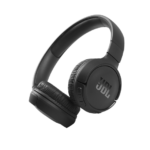
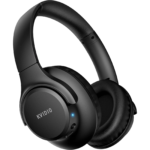
| Design & Comfort | 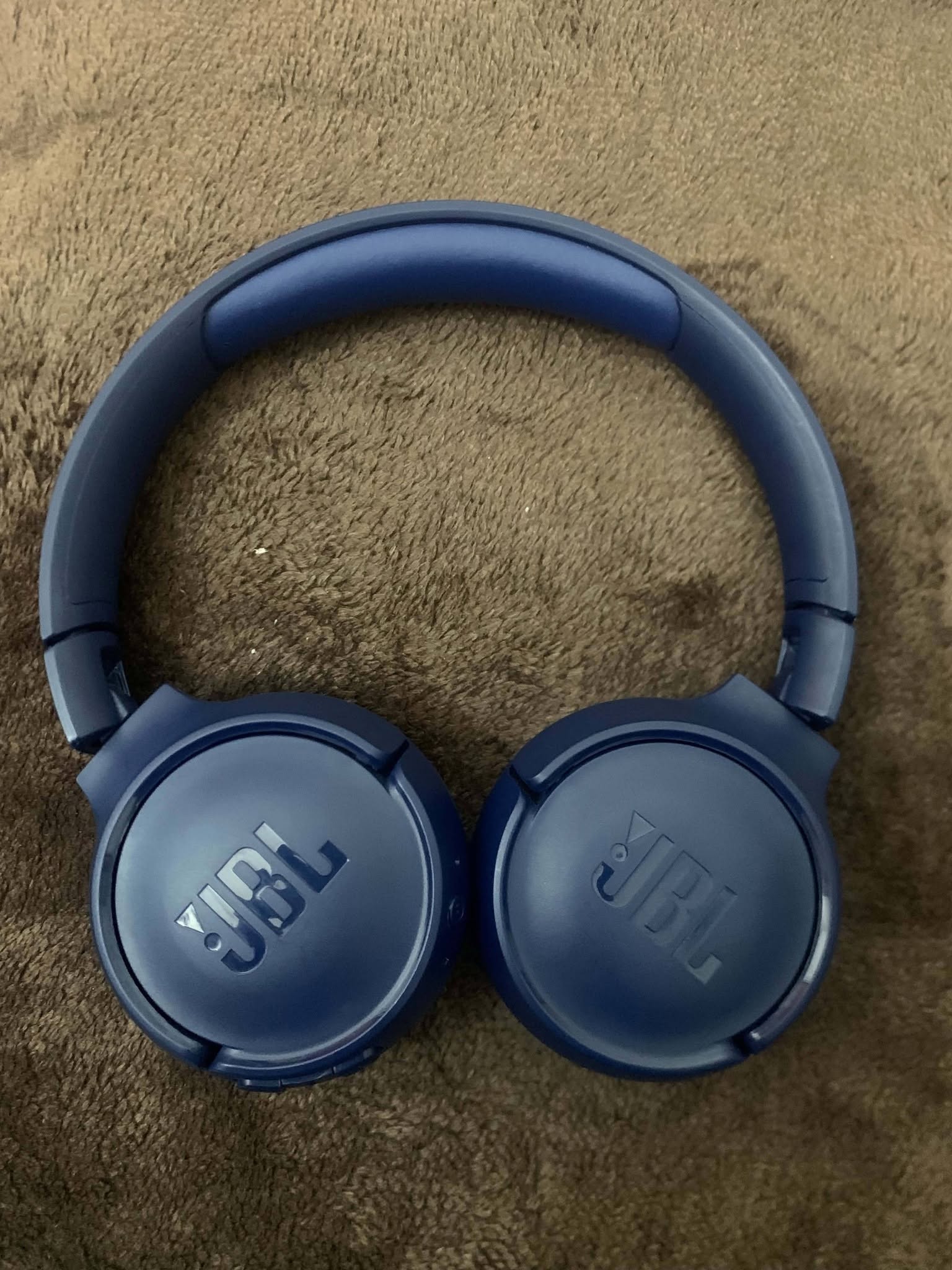 These have an adjustable headband and only weigh 160 grams, with soft, cushioned ear pads that keep them from causing ear pain or discomfort. The slim, low-profile build means they won’t draw much attention either, which is nice for daily wear. That said, on-ear (rather than over-ear) cups mean the pads rest directly on your ears rather than around them — comfortable for shorter sessions, but if you wear glasses, expect the temple arms to dig in after 30-40 minutes. | 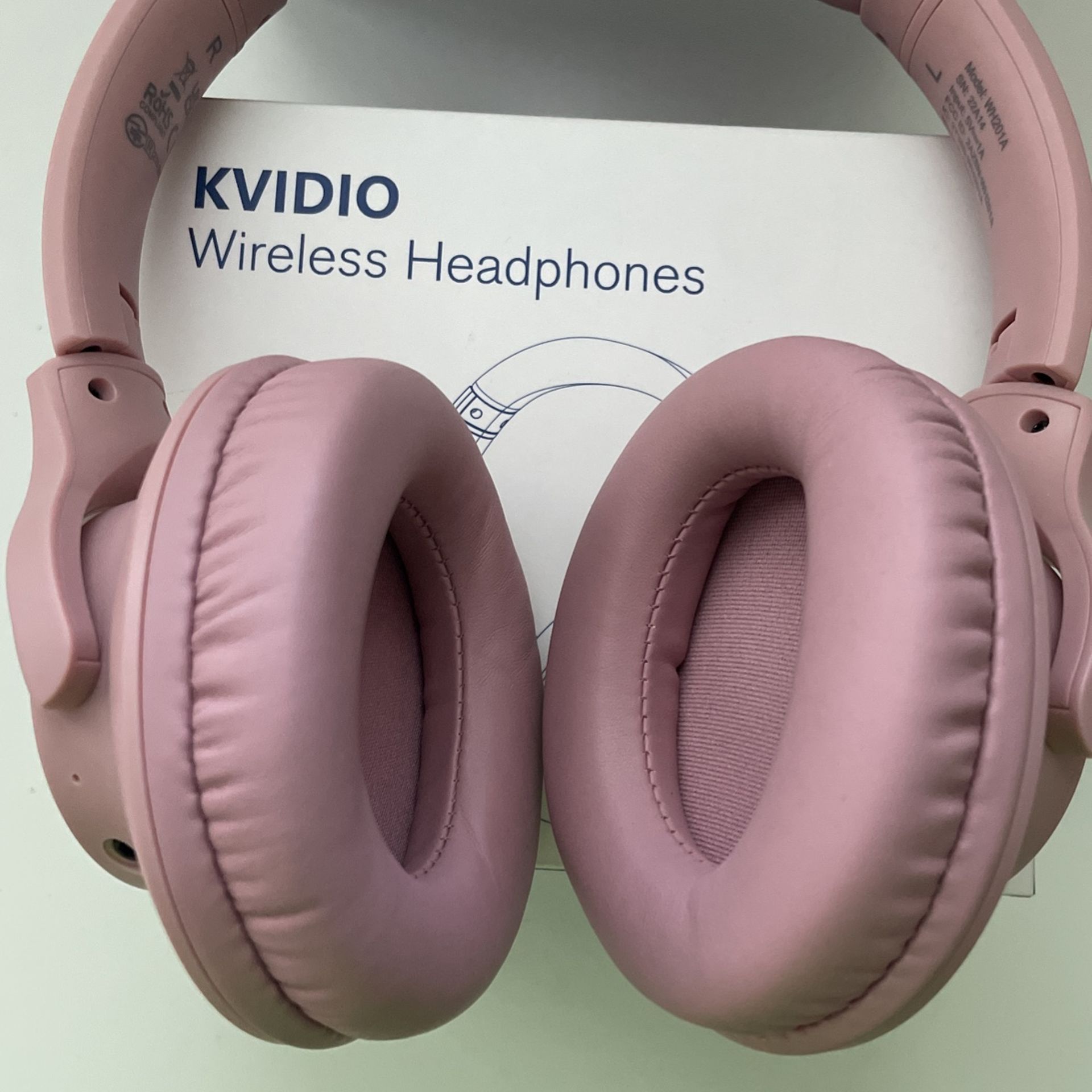 What I find to be the best feature of these headphones is the combination of comfortable, soft memory foam earpads and their sleek, premium design. They are available in five different colors – black, white, pink, green, and blue, giving users plenty of style options to choose from. Overall, the lightweight design makes it easy to wear these headphones for long durations of up to 3-4 hours without discomfort. However, users with larger ears may find the ear cups a bit small after 1 hour of use. |
| Noise Cancellation | There’s no active noise cancellation on the Tune 510BT, and JBL doesn’t pretend otherwise — this is a budget commuter headset, not a flight companion. The closed on-ear design does passively reduce some outside noise and keeps sound from leaking out too much, so office chatter and light background hum get muffled somewhat. But on a bus, train, or plane, expect to hear your environment clearly through the music. | There is no noise-cancellation on the KVIDIO WH201A headphones, which isn’t a major concern for me. However, if noise cancellation is required for you, then consider the upgraded WH304A model of their headsets, which has active noise cancellation at a lower price than the WH201A. Otherwise, it is better to invest in a high-quality noise-cancelling headphone for solid sound and better durability. |
| Build Quality & Durability | 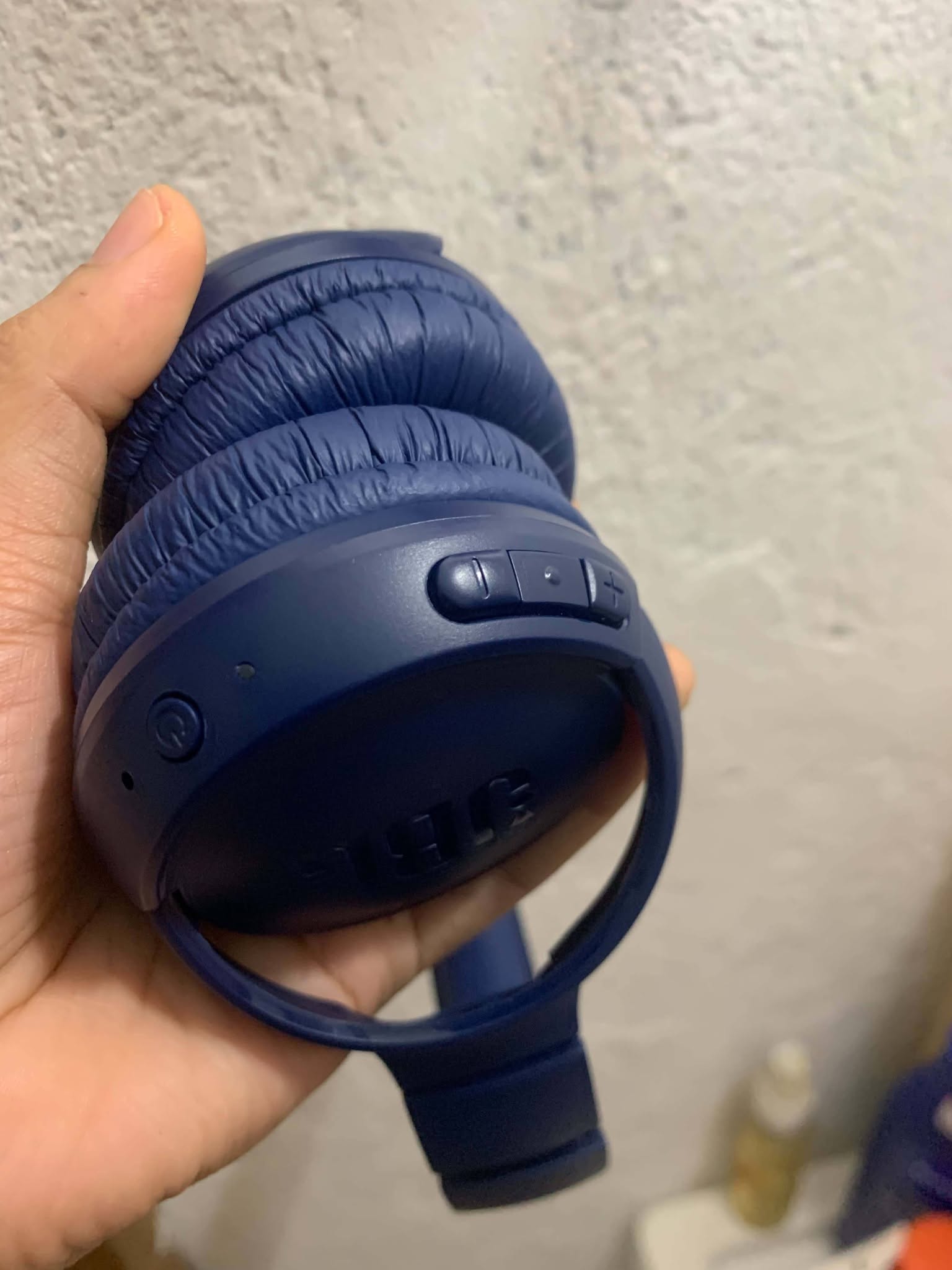 The build doesn’t feel especially sturdy, and the design is fairly generic — plastic ear cups and a plastic headband dominate the construction, with the JBL logo doing most of the visual heavy lifting. The fold-and-swivel hinges are handy for storage but are also common failure points on budget headphones over time. Nothing here feels premium, but nothing felt fragile in daily handling either. This is a “handle with reasonable care” product rather than a “built like a tank” one — expected at this price point, but worth setting expectations accordingly if you’re rough on gear. | These headphones are primarily made of plastic, with faux leather materials and memory foam for the headband and earcups. However, the plastic feels a little lower in quality, which can affect durability over time, making it less ideal for long-term, heavy use, as it can be prone to breaking. |
| Controls & Microphone | 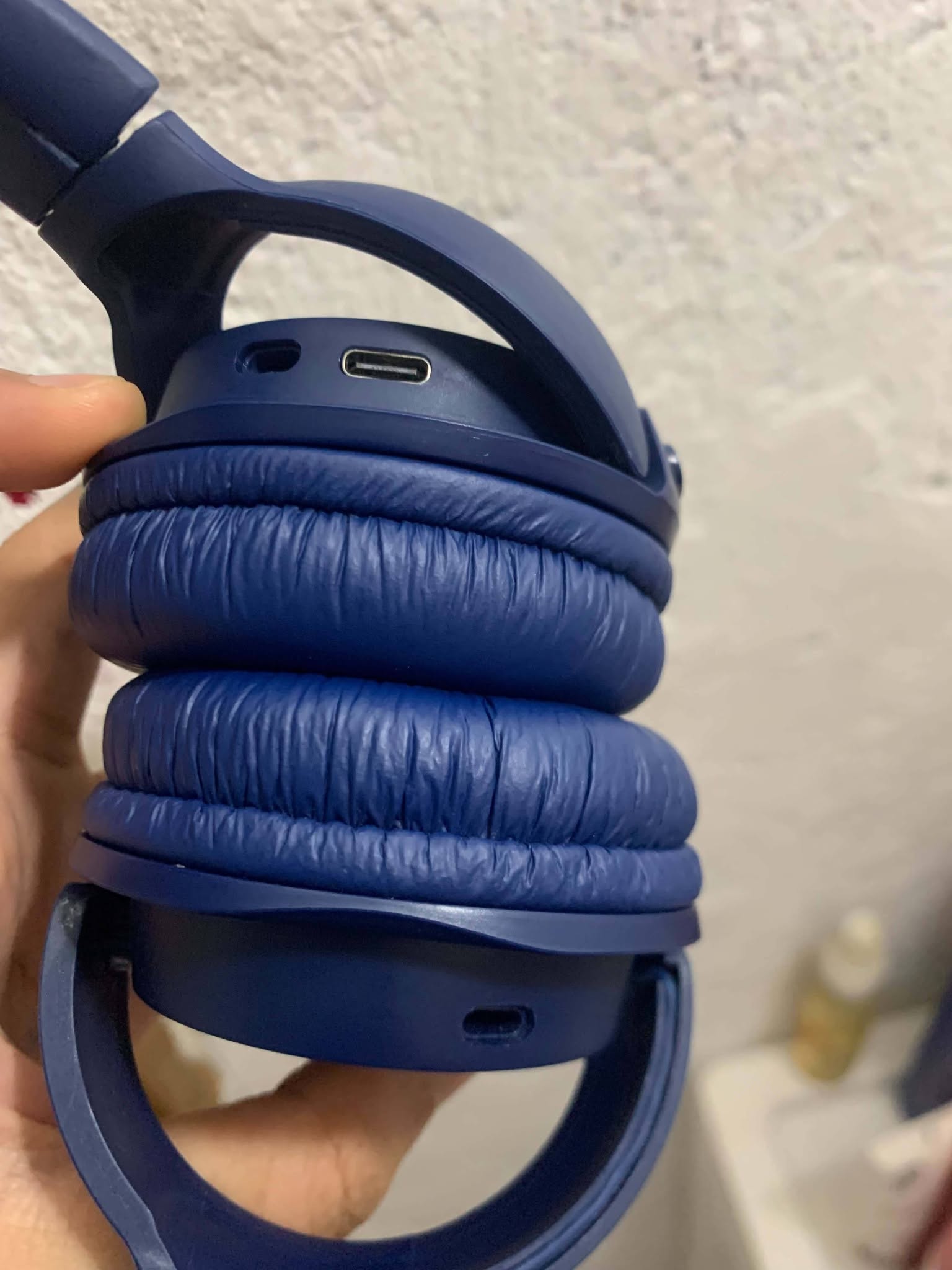 Controls sit on the right ear cup and cover volume, playback, and calls, plus a dedicated button for activating Siri or Google Assistant hands-free. The built-in microphone handles hands-free calls reliably, and multipoint pairing is a genuine standout — you can connect two devices at once, so music pauses automatically for an incoming call, then resumes after. Button feedback is tactile enough to use without looking, though the buttons themselves are small and closely spaced, so expect a few fumbles the first week before muscle memory kicks in. | It has all the intuitive control buttons on the headset ear cups, including volume +-, skipping tracks and answering calls. The microphone quality is perfect for phone calls or live-streaming on any device and platform using the latest Bluetooth drivers (5.3), and the best thing is that it’s comfortable for extended use. |
| Battery Life | Battery life is genuinely impressive: up to 40 hours per charge, with an extra 2 hours available from just 5 minutes of quick charging over USB-C. A full charge takes about 2 hours. In real-world testing, daily use (roughly 2-3 hours a day) meant charging maybe once every two weeks — a legitimate advantage over pricier headphones that often top out around 20-30 hours. For anyone tired of babysitting battery percentages, this is one of the 510BT’s clearest wins. | One of the standout features of KVIDIO headphones is the long battery life. They offer up to 55 hours of playback on a single charge, which is impressive at this price point. They also charge via USB-C, which ensures convenient and fast charging times. |
| Conclusion | The JBL Tune 510BT earns its “Everyday Commuter” tag honestly — it’s affordable, genuinely long-lasting on battery, and delivers likable, bass-forward sound for casual listening. It’s not going to impress anyone chasing premium build quality or noise cancellation, and glasses-wearers should try before committing to long sessions. But for the price, it’s hard to find a more dependable daily-use headset. If you want ANC or over-ear comfort, look elsewhere in JBL’s lineup; if you just want reliable sound and battery life that won’t quit, this one delivers. | KVIDIO wireless Bluetooth headphones stand out in the budget headphone market for offering a great combination of comfort, sound quality, and battery life at an affordable price. I recommend it if you need a pair of headphones for listening to music, online classes, virtual meetings, or on-the-go uses will fit perfectly with the built-in microphone, comfort, and ease of use. Remember, these are not ideal for workouts or outdoor activities as it is not sweatproof or waterproof for intense physical use, which lacks durability. |
| Verdict & Action | Choose JBL Tune 510BT if you prioritize long battery life for travel and all-day use. View Full Review | Choose KVIDIO Headphones if you prioritize versatile wired and wireless connectivity options, the latest Bluetooth for fast, stable wireless connectivity, and expert-rated sound quality and build craftsmanship. View Full Review |
PROS & CONS COMPARISON
Side-by-side strengths and weaknesses evaluation
- Affordable
- Foldable design
- Lightweight build
- Excellent sound
- Longer battery life
- No active noise cancellation
- Cheaper materials
- Low-quality plastic build
- Limited sound
- Affordable
- Lightweight
- Comfortable
- Strong Battery Life
- Limited sound
- No noise-cancellation
- Poor materials
- May break due to weakness
Summary & Interactive Insights
Key Takeaways At-a-Glance
- Performance Tradeoff: JBL Tune 510BT excels in Battery Life (2271 vs 65 Hours), whereas KVIDIO Headphones leads in Connectivity Technology (Wireless & Wired vs 2280, 2279), Bluetooth Version (5.3 vs 5.0), giving each model distinct strengths depending on your priorities.
- Pricing & Value: KVIDIO Headphones at $18.89 is the more budget-friendly option, while JBL Tune 510BT at $49.95 targets users seeking higher-tier features.
- Core Recommendation: Opt for JBL Tune 510BT if you prioritize battery life, or choose KVIDIO Headphones for connectivity technology and bluetooth version.
JBL Tune 510BT is best for:
Tailored for listeners who prioritize exceptional 1200-hour multi-day battery for travel, Bluetooth 5.0 for reliable wireless streaming, versatile wired and wireless connectivity options.
KVIDIO Headphones is best for:
Tailored for listeners who prioritize lightweight 200g build ideal for extended listening sessions, exceptional 65-hour multi-day battery for travel, versatile wired and wireless connectivity options.
Personalize Your Winner
Adjust the priority sliders below based on what matters most to you to instantly recalculate the winner.
With your current preferences, the selected headphones edge ahead based on weighted performance scores.
Why is KVIDIO Headphones better than JBL Tune 510BT?
Where KVIDIO Headphones and JBL Tune 510BT actually differ.
| Metric | JBL Tune 510BT | KVIDIO Headphones | Verdict |
|---|---|---|---|
| Connectivity Technology | 2280, 2279 | Wireless & Wired | |
| Bluetooth Version | 5.0 -0.3v | 5.3 +0.3v | |
| Driver Size | None / Not Specified | 40 Millimeters | EVEN |
| Headset Size | None / Not Specified | 5.91 x 3.15 x 5.12 inches | EVEN |
| Weight | None / Not Specified | 200 grams | EVEN |
| Impedance | None / Not Specified | 32 Ω | EVEN |
| Sensitivity | None / Not Specified | 118±3dB | EVEN |
| Battery Life | 2271 +2206h | 65 Hours -2206h | |
| Waterproof | None / Not Specified | Yes | EVEN |
| Special Features Availability | None / Not Specified | Equalizer, Adjustable Headband, Lightweight, Battery Life, Affordable | EVEN |
| Review Box Score | 6.8 / 10 -0.4 | 7.2 / 10 +0.4 | |
| Overall Score | 72/100 | 77/100 |
🏆 Our Winner: KVIDIO Headphones
Based on overall performance, specifications, and real-world value, KVIDIO Headphones is the clear winner over JBL Tune 510BT.
Check Winning Product ReviewSimilar Head-to-Head Comparisons
Browse other popular headphone face-offs and side-by-side performance reviews featuring JBL Tune 510BT or KVIDIO Headphones.